
Can One Resume Work for Multiple Industries? What You Need to Know
Yes, one resume can work for multiple industries, but only if it highlights transferable skills and is tailored strategically. Learn when a single resume works, when it does not, and how to adapt it for better results.
Adeshina Babatunde
March 20, 2026
You have probably heard two pieces of resume advice that seem to conflict: tailor every resume for every job, and keep a strong master resume you can use across opportunities. So which is true if you are applying to roles in more than one industry?
The short answer is yes, one resume can work across multiple industries, but only up to a point. A single resume can absolutely serve as a strong foundation when your core skills, achievements, and professional story transfer well. What usually does not work is sending the exact same version everywhere and hoping hiring managers in different fields will connect the dots for you.
In the resume tips world, this is one of the most common questions from career changers, recent graduates, consultants, freelancers, and professionals exploring adjacent fields. The good news is that you do not need to start from scratch every time. The better strategy is to build one adaptable base resume and customize it for each industry or role cluster.
In this guide, you will learn when one resume can work, when it cannot, how to make your experience feel relevant in different industries, and what practical changes matter most.
Why people want one resume for multiple industries
There are plenty of valid reasons to want a resume that works in more than one direction. Maybe you have experience in project management and are applying in healthcare, tech, and education. Maybe your background is in sales, but you are also pursuing customer success or business development roles. Or maybe you are re-entering the workforce and want a flexible document you can update quickly.
The appeal is obvious:
It saves time when applying to multiple jobs.
It creates consistency in how you present your background.
It helps you clarify your core value instead of reinventing your story for every application.
It reduces decision fatigue during a job search.
But there is also a risk. Hiring managers do not read resumes like biographies. They read them like evidence. They want fast proof that your background fits their role, their industry, and their problems. If your resume is too broad, it can come across as unfocused.
A resume does not need to tell your whole career story. It needs to make a clear case for why you fit a specific opportunity.
When one resume can work across industries
A multi-industry resume works best when your value is built around transferable skills rather than highly specialized industry knowledge. In those cases, the same core document can support different applications with light customization.
1. Your skills are clearly transferable
Some skills travel well across industries. Examples include:
Project management
Operations improvement
Data analysis
Client relationship management
Team leadership
Budget oversight
Process documentation
Training and onboarding
If your achievements show outcomes like reducing costs, improving efficiency, increasing retention, or leading cross-functional teams, those results often matter in many fields.
2. You are targeting related industries
It is much easier to use one base resume for adjacent industries than for completely unrelated ones. For example:
Marketing roles across SaaS, retail, and healthcare
HR roles across nonprofit, education, and corporate settings
Operations roles across logistics, manufacturing, and e-commerce
In these cases, the language may shift slightly, but the core responsibilities and metrics often overlap.
3. Your experience is role-driven, not industry-locked
If your career identity is tied more to what you do than where you did it, one resume has a better chance of working. A recruiter may care less that you worked in hospitality if your bullets show strong hiring, scheduling, vendor management, and customer experience skills that align with retail operations or office management.
When one resume is not enough
There are also situations where a single version will likely hold you back.
1. The industries use very different language
Even when jobs seem similar, industries often use different terms for the same work. A resume that says “clients” may need to say “patients,” “accounts,” “students,” or “stakeholders” depending on the audience. If your wording feels generic, applicant tracking systems and human readers may miss the match.
2. One industry expects specialized knowledge or credentials
If you are applying to regulated or technical fields, broad positioning may not be enough. Healthcare, finance, legal, engineering, and government roles often require specific certifications, compliance knowledge, software, or terminology. In these cases, a general resume can make you look underqualified even if you have relevant experience.
3. Your target roles are too different
Applying to both UX design and account management? Or nonprofit fundraising and supply chain analysis? That is usually too wide for one resume. The more your target jobs differ in responsibilities, success metrics, and keywords, the more likely you need separate versions.
A good rule of thumb: if the top third of the resume would need a different professional summary, different key skills, and different highlighted achievements, you probably need more than one version.
How to build a resume that can flex across industries
The smartest approach is not one resume for everything. It is one master resume plus a few tailored versions built from it. Think of the master as your source document and the tailored versions as audience-specific edits.
Start with a strong professional summary
Your summary is where you frame your value in a way that can travel. Focus on strengths, scope, and results rather than niche language that only fits one field.
For example, instead of:
Experienced retail manager seeking to transition into a new field.
Try:
Results-driven operations leader with 8+ years of experience improving team performance, streamlining workflows, and delivering high-quality customer experiences in fast-paced environments.
The second version is broader, stronger, and more transferable.
Lead with transferable achievements
Bullet points should emphasize outcomes that matter across industries. Numbers help a lot here because measurable results feel credible no matter the field.
Reduced onboarding time by 30% through process redesign and training materials
Managed a $500K budget while improving vendor performance and lowering costs by 12%
Led a 10-person team that increased customer retention by 18% over one year
These bullets communicate value beyond a single industry context.
Create a core skills section that bridges fields
Use a skills section to highlight capabilities that show up in multiple job descriptions. Include a mix of hard and soft skills, but prioritize skills employers actually search for.
Examples:
Project coordination
Stakeholder communication
CRM platforms
Data reporting
Process improvement
Cross-functional collaboration
Training and development
If you are targeting more than one industry, compare several job descriptions and note the overlapping skills. Those belong on your base resume.
Keep industry-specific details, but do not let them dominate
You do not need to erase your background. In fact, context matters. But if every bullet is packed with internal jargon, acronyms, or niche tools, readers from another industry may struggle to understand your relevance.
Aim for plain, clear language first. Then add industry-specific terms where they strengthen the match.
What to customize for each industry
Even if you use one main resume, some sections should almost always be adjusted before you apply.
1. The headline or summary
This is the fastest way to align your resume with the role. If you are applying to operations in one industry and customer success in another, your summary should reflect that emphasis.
2. Keywords from the job description
Applicant tracking systems often scan for relevant terms. According to job search best practices widely used by recruiters, matching the language of the posting can improve your odds of getting seen. That does not mean keyword stuffing. It means using the same legitimate terms the employer uses for skills, tools, and responsibilities.
For example, one employer may ask for “account management,” while another says “client success.” If your experience supports both, mirror the language appropriately.
3. The order of your bullet points
You do not always need new content. Sometimes you just need to reorder what is already there. Put the most relevant achievements first under each role so the reader sees the strongest match immediately.
4. Selected projects, certifications, or tools
If one industry values Salesforce and another values Excel-based reporting, adjust your emphasis. If one role cares about compliance training and another values customer journey mapping, surface the right proof.
5. Your cover letter and LinkedIn profile
Your resume does not work alone. If you are applying across industries, your cover letter can explain your interest and fit, while your LinkedIn headline and About section can reinforce a broader professional brand. For more guidance on profile alignment, resources like LinkedIn's own profile help center can be useful.
Common mistakes to avoid
Trying to make one resume do too much can create problems. Here are some of the biggest mistakes job seekers make.
Being too generic
If your resume could apply to almost anyone, it will not feel compelling to anyone. Phrases like “hardworking professional,” “team player,” or “seeking a challenging opportunity” add little value. Specific achievements beat vague traits every time.
Listing duties instead of results
Hiring managers care less about what you were assigned and more about what you accomplished. Compare these:
Responsible for managing schedules and staff
Managed scheduling for a 25-person team, improving shift coverage and reducing overtime costs by 15%
The second bullet is much stronger across industries because it shows impact.
Ignoring industry language completely
Transferable skills matter, but translation matters too. If you never adapt your wording, employers may not realize how your experience applies to their world.
Applying too broadly without a strategy
If you are targeting five unrelated industries with one resume, the issue may not be the document. It may be the job search strategy. Narrowing your search to two or three realistic paths often leads to better results.
A practical resume strategy for multi-industry job seekers
If you want efficiency without sacrificing relevance, use this simple system:
Create a master resume with your full work history, achievements, metrics, skills, certifications, and projects.
Choose 2 to 3 target directions that are realistically connected to your background.
Build one tailored resume for each direction using the same core content but different summaries, keywords, and emphasis.
Customize lightly for each application by adjusting top skills, bullet order, and role-specific language.
Track results so you can see which version gets more interviews.
This approach gives you flexibility without turning your resume into a generic catch-all document.
Example: one background, multiple directions
Imagine someone with five years of experience as an office manager in a medical practice. They might reasonably target:
Healthcare administration
Operations coordinator roles
Executive assistant positions
Their core resume can stay mostly the same, but each version would shift emphasis:
Healthcare administration: patient scheduling, compliance support, EMR systems, front-desk workflow
Operations coordinator: process improvement, vendor management, reporting, budget tracking
Executive assistant: calendar management, communication, event coordination, confidentiality
Same person, same experience, different framing.
Final answer: yes, but make it strategic
So, can one resume work for multiple industries? Yes, if your experience includes strong transferable skills, your target industries are reasonably related, and you are willing to tailor the document where it counts.
What usually works best is a flexible base resume supported by a few targeted versions. That lets you stay efficient while still speaking directly to what employers want. In resume writing, relevance wins. Not because you need a completely different story for every job, but because you need to tell the right version of your story for the audience reading it.
If you are applying across industries right now, start by identifying the common thread in your experience. Then build your resume around results, transferable skills, and clear language. Once you do that, tailoring becomes much easier and your applications become much stronger.
Take a look at your current resume today and ask one question: would a hiring manager in each of your target industries immediately understand why you fit? If the answer is no, your next edit is obvious.
You might also enjoy
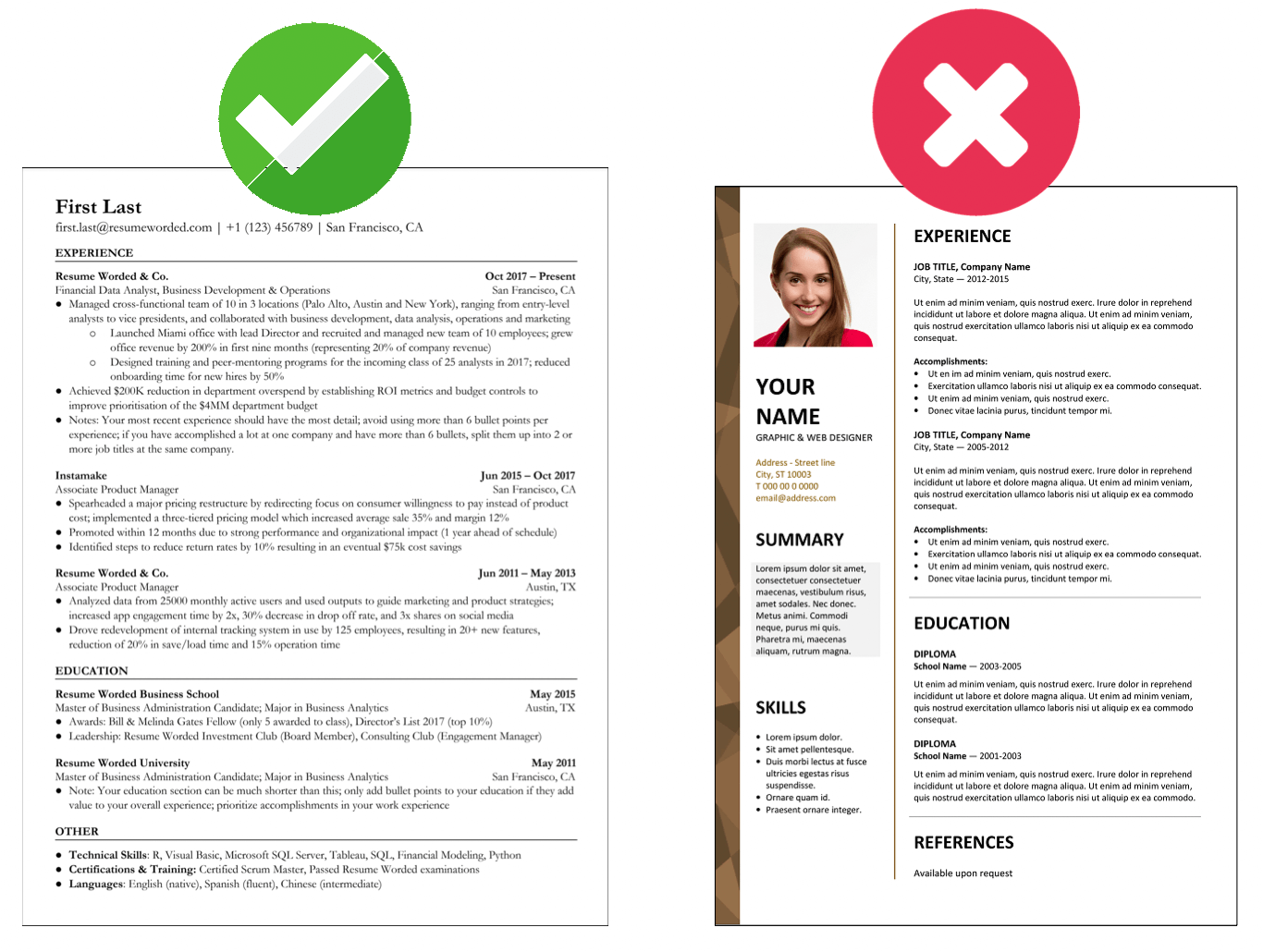
How to Optimize Your Resume for ATS and Pass Automated Screening
9 min read

How to Explain Employment Gaps on Your Resume Without Hurting Your Chances
9 min read
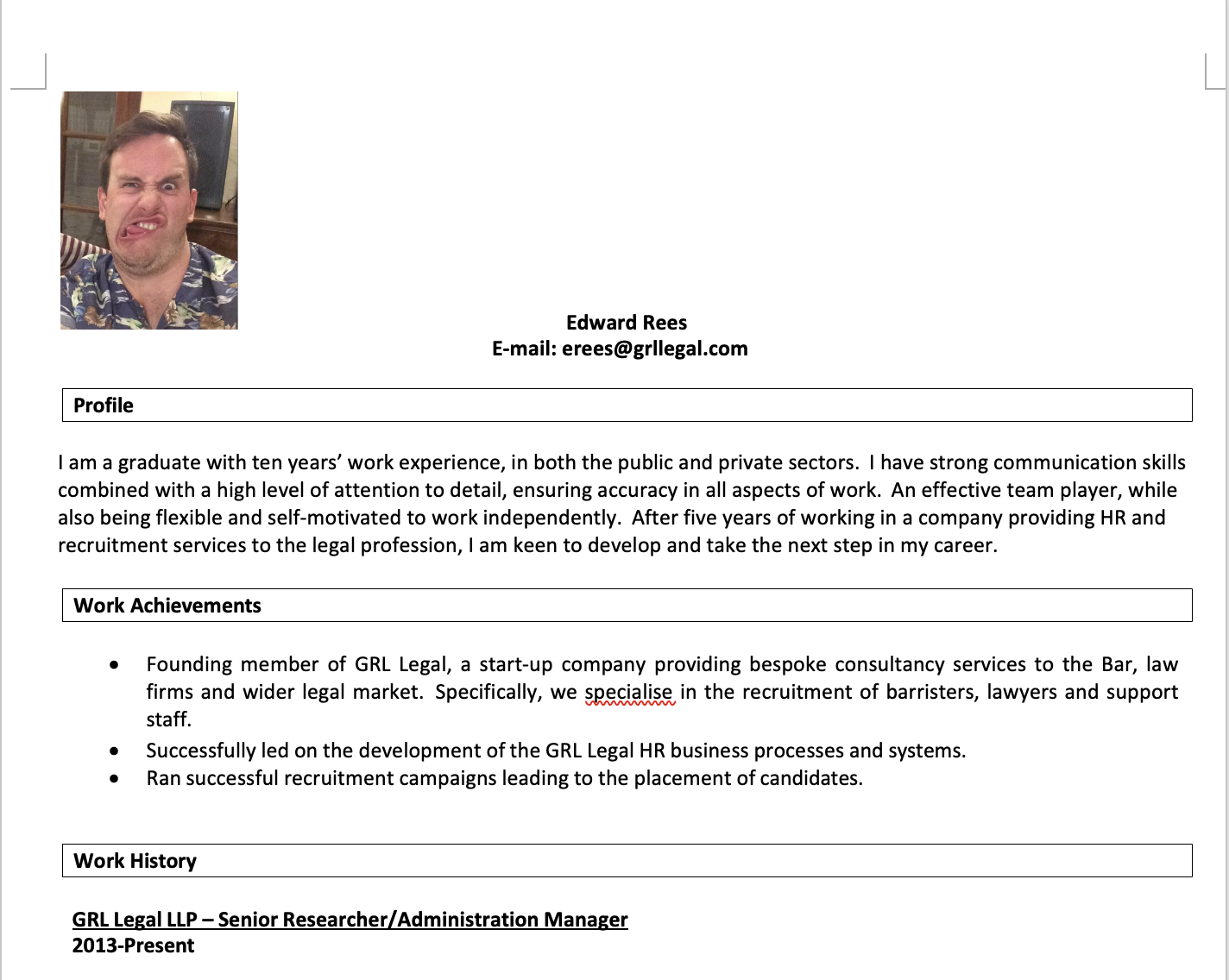
Should You Include a Photo on Your CV? Pros and Cons Explained
10 min read

How to Successfully Switch Careers Into a New Industry
10 min read
Comments
No comments yet. Be the first to share your thoughts!
Leave a comment